Interactive PDF forms are widely used in 2026 for contracts, applications, invoices, and official submissions. However, there are situations where you need to “flatten” a PDF form before sending it.
Flattening ensures that form fields become permanent, non-editable content, preventing changes and preserving formatting. Check More Here: How to Extract Text from Scanned PDF in 2026
This guide explains how to flatten PDF form fields in 2026, why it’s necessary, and the safest ways to do it without damaging your document.
What does flattening a PDF form mean
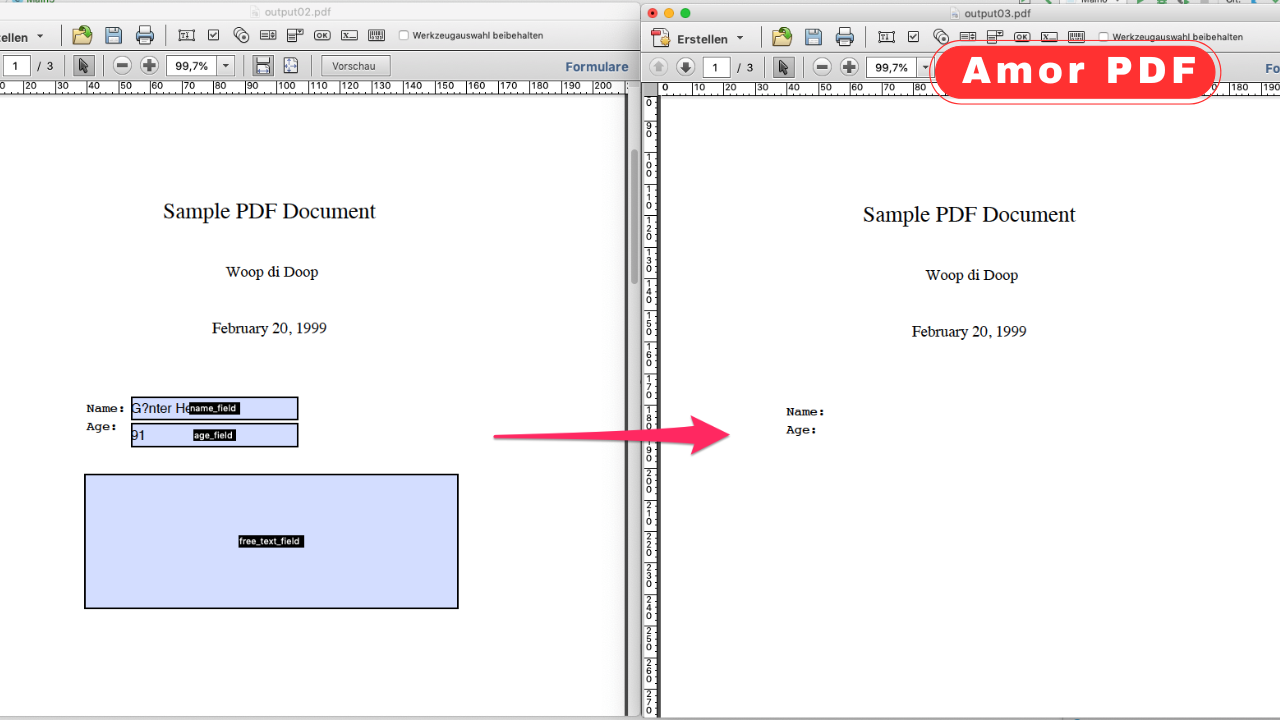
Flattening a PDF form converts interactive form fields into static content. After flattening, text fields, checkboxes, and signatures become part of the page design and can no longer be edited.
The document still looks the same visually, but the fields are no longer interactive.
Why you might need to flatten a PDF
Flattening is useful when:
You want to prevent edits
A recipient cannot view form fields properly
You are submitting official documents
You want to protect filled information
The platform does not accept interactive PDFs
Flattening ensures compatibility across devices and systems.
Difference between flattening and locking a PDF
Flattening permanently removes form interactivity. Locking, on the other hand, restricts editing but keeps form structure intact.
If you need permanent conversion to static content, flattening is the correct method.
How to flatten PDF form fields using PDF software
Most modern PDF editors include a flatten option. After filling out the form, you can choose a setting like “flatten form” or “save as flattened PDF.”
This method preserves formatting and produces professional results.
Flattening a PDF by printing to PDF
One common method is printing the filled PDF to a new PDF file. This converts the visible content into a static document.
Although simple, this method may slightly alter layout or quality if print settings are not adjusted properly.
Using online tools to flatten PDF forms
Online PDF tools in 2026 often provide flattening features. You upload the file, process it, and download the flattened version.
This method is convenient but should be used carefully for sensitive documents.
Flattening PDFs on mobile devices
Many mobile PDF apps now support flattening or exporting filled forms as static PDFs.
This is helpful when submitting documents directly from your phone or tablet.
Ensuring signatures remain visible after flattening
Before flattening, confirm that all digital signatures are properly applied. Flattening makes signatures part of the document permanently.
Always review the final version before sending.

Checking that form fields are fully filled
Once flattened, form fields cannot be edited. Double-check all information before converting.
Review names, dates, numbers, and attachments carefully.
Preserving formatting during flattening
Choose high-quality export or save settings to avoid blurry text or altered spacing.
Flattening should maintain the original layout and design.
Flattening PDF forms for email submission
Many email systems and official portals prefer flattened PDFs. Interactive forms sometimes fail to display correctly in preview modes.
Flattening ensures the recipient sees exactly what you filled in.
Flattening multi-page PDF forms
For long documents, flatten the entire file after completion rather than page by page. This ensures consistency throughout the document.
Verify each page after processing.
When not to flatten a PDF
Avoid flattening if:
You still need to edit the form
You may need to update information later
The recipient requires editable fields
Always keep an editable copy before flattening.
Saving a backup before flattening
Create a copy of the original filled PDF before converting it to a flattened version. This protects you if corrections are needed later.
Backup files are especially important for legal or official documents.
Flattening vs securing with passwords
Password protection restricts editing but does not remove form functionality. Flattening permanently converts fields into static content.
Choose the method based on your purpose.
Why flattened PDFs are more compatible
Some devices, browsers, or older PDF viewers struggle with interactive fields. Flattened PDFs open consistently everywhere.
This improves reliability when sharing documents.
Security considerations when flattening online
If using an online tool, ensure the service has secure file handling and privacy policies. Avoid uploading confidential files to unknown platforms.
Offline methods are safer for sensitive documents.
File size impact after flattening
Flattening may slightly change file size depending on the method used. Printing to PDF sometimes increases size, while optimized export may reduce it.
Check the final file before sending.
Flattening trends in 2026
In 2026, many PDF platforms automatically offer flattening during export. AI-powered document tools also ensure formatting integrity during conversion.
The process has become simpler and more reliable.
Conclusion
Flattening PDF form fields in 2026 is an essential step when sharing completed documents securely and professionally. By converting interactive fields into static content, you ensure compatibility, prevent unwanted edits, and preserve formatting across devices. Whether using built-in PDF software, mobile apps, or secure online tools, always review the final version before submission and keep a backup copy. For official documentation and professional PDF tools related to form management, you can also explore information available at https://www.adobe.com.
FAQs
What happens after I flatten a PDF form?
All interactive fields become permanent, non-editable content.
Can I edit a flattened PDF?
No, you must use the original editable version.
Is printing to PDF the same as flattening?
It effectively flattens the form by converting fields to static content.
Should I keep a copy before flattening?
Yes, always save an editable backup.
Are flattened PDFs safer to send?
Yes, they prevent accidental edits and display consistently.